
Top Tips for Successful Home Remodeling
- Dec 3, 2025
- 4 min read
Remodeling your home can be an exciting journey. It’s a chance to refresh your living space, add value, and create a place that truly feels like yours. But it can also feel overwhelming if you don’t know where to start or what to expect. Over the years, I’ve learned some key home remodeling tips that make the process smoother and more enjoyable. Whether you’re updating a kitchen, adding a bathroom, or reimagining your entire home, these tips will help you stay on track and get the results you want.
Essential Home Remodeling Tips to Keep in Mind
Starting a remodeling project without a plan is like setting off on a road trip without a map. Here are some practical tips to guide you through the process:
1. Set a Realistic Budget
Before you pick up a hammer or call a contractor, decide how much you can comfortably spend. Include a buffer of 10-20% for unexpected costs. Remodeling often uncovers surprises like outdated wiring or hidden water damage. Planning for these will save you stress later.
2. Prioritize Your Needs and Wants
Make a list of what you absolutely need versus what would be nice to have. For example, if you’re remodeling a kitchen, a new countertop might be a must, but fancy lighting could be a “nice to have.” This helps you make smart decisions if you need to adjust your budget.
3. Choose the Right Contractor
Hiring a reliable contractor is crucial. Look for someone with good reviews, proper licensing, and insurance. Ask for references and visit past projects if possible. A trustworthy contractor will communicate clearly and respect your home.
4. Plan for Disruption
Remodeling can be noisy and messy. Prepare your family by setting up a temporary kitchen or bathroom if needed. Protect your belongings and create a schedule that minimizes inconvenience.
5. Focus on Quality Materials
Invest in materials that last. Cheap options might save money upfront but can cost more in repairs and replacements. Durable flooring, quality cabinets, and energy-efficient windows add value and comfort.
6. Keep Future Resale in Mind
Even if you plan to stay in your home for years, think about what future buyers might want. Neutral colors, functional layouts, and good lighting appeal to most people.
What is the meaning of Home Improvement?
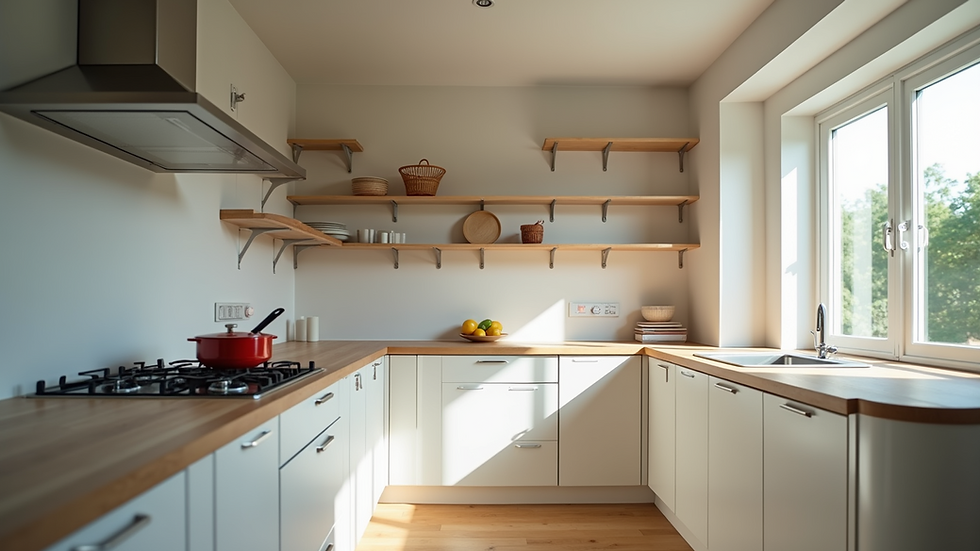
Home improvement means making changes or upgrades to your house to enhance its appearance, functionality, or value. It can include anything from small repairs and cosmetic updates to major renovations like adding rooms or changing the layout. The goal is to create a more comfortable, efficient, and enjoyable living space.
Home improvement projects can be DIY or professionally done, depending on the complexity. Simple tasks like painting walls or installing new fixtures are often manageable on your own. Larger projects, such as structural changes or electrical work, usually require expert help to ensure safety and compliance with local codes.
Understanding the scope of your project helps you decide what skills and resources you need. It also sets clear expectations for the timeline and budget.
How to Choose the Best Materials and Design
Selecting the right materials and design style is a big part of successful remodeling. Here’s how to make smart choices:
1. Match Your Home’s Style
Consider the architectural style of your home. A modern design might clash with a traditional house. Aim for a cohesive look that feels natural.
2. Think About Durability
Choose materials that can withstand your household’s lifestyle. For example, if you have kids or pets, scratch-resistant flooring and easy-to-clean surfaces are a must.
3. Prioritize Energy Efficiency
Energy-efficient windows, insulation, and appliances reduce utility bills and make your home more comfortable year-round.
4. Use Color Wisely
Colors affect mood and space perception. Light colors can make rooms feel larger and brighter, while darker shades add warmth and coziness.
5. Balance Function and Style
A beautiful kitchen is great, but it also needs to be practical. Think about storage, counter space, and workflow.
6. Consult Professionals
Interior designers and architects can offer valuable advice and help you avoid costly mistakes.

Managing Your Remodeling Timeline Effectively
Time management is key to a stress-free remodel. Here’s how to keep your project on schedule:
Create a Detailed Plan
Work with your contractor to develop a timeline that includes all phases of the project. This helps you know what to expect and when.
Order Materials Early
Delays often happen because materials aren’t available on time. Ordering early keeps things moving smoothly.
Communicate Regularly
Stay in touch with your contractor and ask for updates. Address any issues immediately to avoid bigger problems.
Be Flexible
Some delays are unavoidable, like weather or permit approvals. Stay patient and adjust your plans as needed.
Prepare for Inspections
Make sure your project meets local building codes. Schedule inspections promptly to avoid hold-ups.
Why Hiring a Local Expert Matters
Choosing a local contractor has many benefits, especially in Southern New Hampshire. Local experts understand the climate, building codes, and neighborhood styles. They can recommend materials that perform well in the region’s weather and navigate permit processes efficiently.
A local contractor is also more accessible for site visits and quick responses. This builds trust and ensures your project stays on track. When I worked with Sully’s Construction, their knowledge of the area and commitment to quality made a huge difference in the outcome.
If you want to explore reliable options, check out home improvement services that specialize in Southern New Hampshire. They focus on transparent communication and craftsmanship, which are essential for a successful remodel.
Making Your Dream Home a Reality
Remodeling your home is a big step, but with the right approach, it can be a rewarding experience. By setting a clear budget, choosing quality materials, managing your timeline, and working with trusted professionals, you’ll create a space that fits your lifestyle and adds lasting value.
Remember, every project has its challenges, but staying organized and informed helps you overcome them. Take your time to plan, ask questions, and enjoy the transformation. Your home is more than just a building - it’s where memories are made.
I hope these home remodeling tips inspire you to start your next project with confidence. Here’s to turning your house into the home you’ve always wanted!


Comments