
Mastering Home Remodeling: Planning Essentials
- Nov 3, 2025
- 5 min read
Embarking on a home remodeling project can be both exciting and overwhelming. Whether you want to update your kitchen, add a new bathroom, or completely transform your living space, careful planning is the key to success. I’ve learned that a well-thought-out plan not only saves time and money but also reduces stress throughout the process. In this post, I’ll walk you through the essential steps to master your home remodeling project, helping you turn your vision into reality with confidence.
Understanding Home Remodeling Project Essentials
Before diving into any construction or design work, it’s important to understand the core essentials of a home remodeling project. These essentials form the foundation of a smooth and successful renovation.
Define Your Goals Clearly
Start by asking yourself what you want to achieve. Are you remodeling to increase space, improve functionality, or boost your home’s value? Clear goals help guide every decision you make.
Set a Realistic Budget
Knowing how much you can spend upfront prevents surprises later. Include a buffer of 10-20% for unexpected costs. Remember, quality materials and skilled labor are investments that pay off in the long run.
Create a Detailed Plan
Outline the scope of work, timeline, and key milestones. This plan will serve as your roadmap and help keep the project on track.
Choose the Right Professionals
Hiring experienced contractors and designers is crucial. Look for those with good reputations and proven work in Southern New Hampshire. A reliable team ensures quality craftsmanship and smooth communication.
Obtain Necessary Permits
Check local regulations and secure permits before starting. This step avoids legal issues and ensures your remodel meets safety standards.
By focusing on these essentials, you set yourself up for a remodeling experience that is organized and rewarding.

What is the Meaning of Home Improvement?
Home improvement refers to the process of making changes or upgrades to your existing home to enhance its appearance, functionality, or value. It can range from small projects like painting walls or replacing fixtures to major renovations such as adding rooms or remodeling entire floors.
The goal of home improvement is to create a living space that better suits your needs and lifestyle. It often involves:
Repairing or replacing outdated or damaged elements
Updating design and decor to reflect current trends or personal taste
Increasing energy efficiency through better insulation or new windows
Enhancing comfort and convenience with modern amenities
Understanding this helps you appreciate the importance of planning. Every improvement should align with your long-term vision for your home.
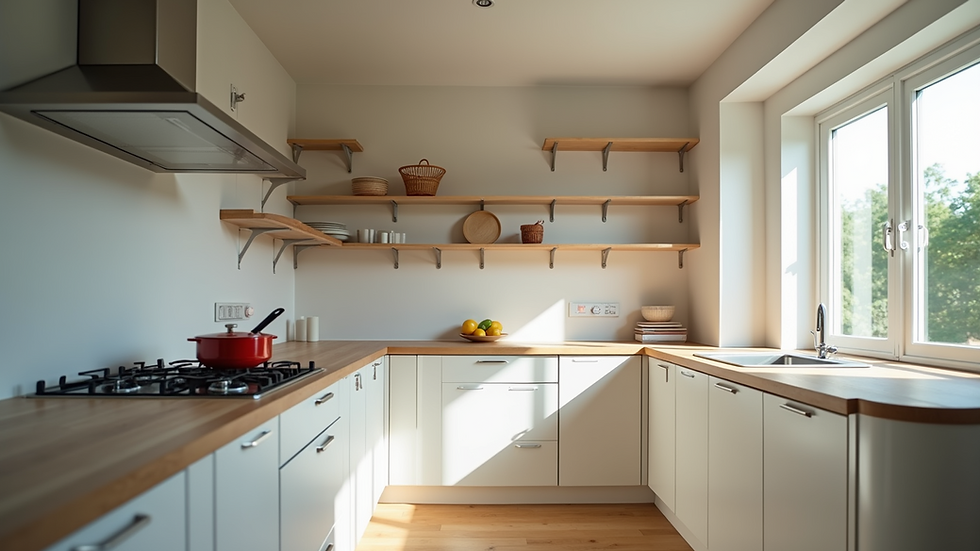
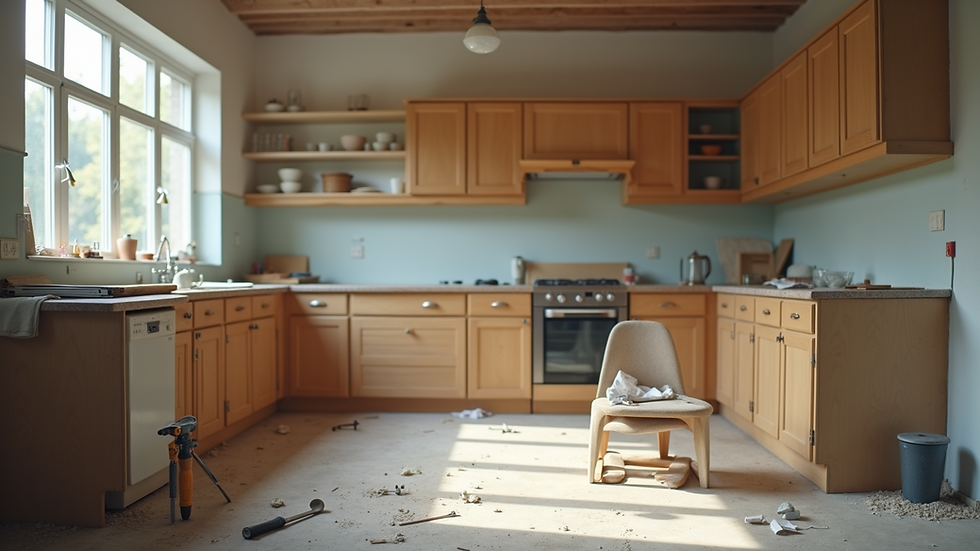
Check out our recent kitchen remodels.
Crafting a Practical Budget and Timeline
One of the biggest challenges in any remodeling project is effectively managing both time and money. Here’s how I recommend approaching these two critical factors:
Budget Tips
Research Costs Thoroughly
Get multiple quotes for materials and labor. Prices can vary widely, so comparing helps you find the best value.
Prioritize Spending
Determine which areas warrant the greatest investment. For example, kitchen appliances or bathroom fixtures might be worth spending more on than decorative finishes.
Plan for Contingencies
Set aside extra funds for unexpected expenses, such as hidden water damage or structural issues.
Track Expenses Regularly
Keep a detailed record of all costs to avoid overspending.
Timeline Tips
Set Realistic Deadlines
Factor in potential delays due to weather, supply shortages, or permit approvals.
Break the Project into Phases
This makes the work more manageable and allows you to closely monitor progress.
Communicate with Your Contractor
Regular updates help you stay informed and address issues promptly.
By carefully planning your budget and timeline, you reduce stress and keep your project moving forward smoothly.

Choosing Materials and Design That Fit Your Lifestyle
Selecting the right materials and design elements is more than just a matter of aesthetics. It’s about creating a space that works for you every day.
Consider Durability
Select materials that withstand your household’s wear and tear. For example, if you have kids or pets, opt for scratch-resistant flooring and easy-to-clean surfaces.
Think About Maintenance
Some materials require more upkeep than others. Quartz countertops, for instance, are low-maintenance compared to natural stone.
Match Your Style
Whether you prefer modern, traditional, or rustic looks, your design choices should reflect your personality and complement the rest of your home.
Focus on Functionality
Design with your daily routines in mind. For example, a kitchen island with extra storage can make cooking and entertaining easier.
Incorporate Energy Efficiency
Look for energy-saving appliances, LED lighting, and insulation improvements to reduce utility bills.
Taking time to research and select materials thoughtfully ensures your remodel is both beautiful and practical.
Working with Professionals You Can Trust
A successful home remodeling project depends heavily on the team you hire. Here’s how to find and work with the right professionals:
Check Credentials and Reviews
Look for licensed contractors with positive feedback from local clients.
Ask for References
Speaking with past customers gives insight into the contractor’s reliability and quality.
Get Detailed Quotes
A clear, written estimate helps avoid misunderstandings about costs and scope.
Communicate Openly
Share your vision and concerns honestly. Good contractors listen and offer expert advice.
Stay Involved
Regular site visits and updates keep you informed, allowing you to address issues promptly.
If you’re in Southern New Hampshire, consider partnering with Sully’s Construction, known for transparent, stress-free projects and exceptional craftsmanship. Their team understands local needs and delivers quality results you can trust.
Preparing Your Home and Family for the Remodel
Remodeling can disrupt your daily life, so preparation is key to minimizing stress.
Create a Temporary Living Plan
Decide if you’ll stay in your home during construction or arrange alternative accommodations.
Protect Your Belongings
Remove valuables and fragile items from the work area. Cover furniture and floors to prevent damage.
Set Up a Communication Hub
Designate a spot for project updates, schedules, and contact information.
Establish Ground Rules
Discuss work hours, noise levels, and safety precautions with your contractor.
Plan for Clean-Up
Agree on how and when the worksite will be cleaned daily.
By preparing your home and family, you create a smoother remodeling experience for everyone involved.
Moving Forward with Confidence
Mastering the essentials of your home remodeling project means you’re ready to take on the challenge with a clear plan and a trusted team. Remember to define your goals, budget wisely, choose materials thoughtfully, and communicate openly with professionals. With these steps, your remodel will not only enhance your home but also bring you peace of mind throughout the process.
If you’re ready to start your journey, consider reaching out to experts who understand the unique needs of homeowners in Southern New Hampshire. A well-executed remodel is within your reach, and the results will be worth every effort.
Happy remodeling!

Comments